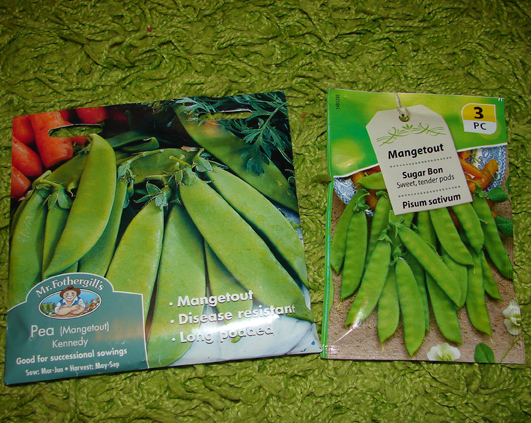
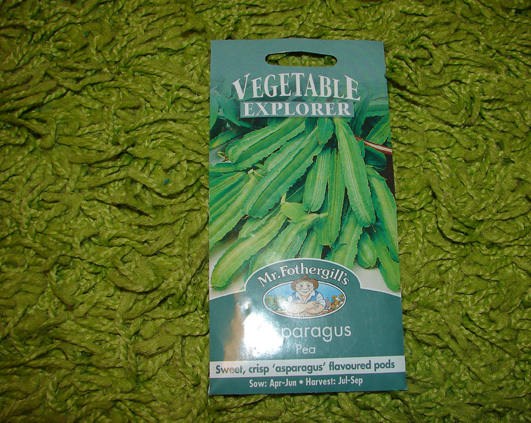
Ieri au aparut primele seminte la Lidl, normal ca nu m-am putut rabda si mi-am completat colectia de bobite. Asadar, colectia completa, sper 🙂 asta in cazul in care nu mai gasesc ceva specimene interesante .




Mini-ferma noastra urbana
18 Feb 2014 6 Comments
in Diverse
Ieri au aparut primele seminte la Lidl, normal ca nu m-am putut rabda si mi-am completat colectia de bobite. Asadar, colectia completa, sper 🙂 asta in cazul in care nu mai gasesc ceva specimene interesante .





 GreenZoneLife
Feb 18, 2014 @ 07:23:48
Buna dimineata. In sfarsit vad si eu pe cineva care spune ca a incheiat achizitionarea semintelor. Felicitari, noi inca suntem in perioada de cautari cu toate ca, ceea ce avem ne ajunge pentru vreo trei gradini, dar cand ajungi intr-un magazin si vezi seminte nu poti sa treci fara sa iei macar un pleculut (asa, acolo de rezerva). O zi frumoasa.
Feb 18, 2014 @ 07:26:37
Eu am la seminte ca si daca asa avea un hectar si tot nu mi-ar ajunge locul 🙂 N-am terminat achizitionarea, era vorba doar de boboase 🙂
Feb 18, 2014 @ 13:03:15
Da’ stiu ca ai luat ceva soiuri!
Dintre soiurile de fasole, cred ca am si eu o mare parte, dupa poze,dar despre cea scarlet, nu am mai vb si anul trecut, cea uriasa, care am zis ca este timpurie, odata cu bobul?O fi aceeasi?
Pupici!
Feb 18, 2014 @ 13:07:21
Pare a fi acelasi soi, doar ca cea de anul trecut am luat-o din piata si dupa ce am plantat-o a inflorit frumos dar nu a facut nicio pastaie. Asta nu e chiar asa de mare la bob insa tot mov cu negru.
Feb 19, 2014 @ 19:51:06
interesant ce seminte baga la voi la Lidl… la noi cateva lesinate …
mie deja mi-o iesit primele plantute de flori ce le-am pus in urma cu cateva zile la incoltit. Am fost asa de emotionata cand le-am vazut… 🙂
Feb 19, 2014 @ 20:12:02
Nu sunt toate de la Lidl, doar cele cu cifra 3 pe plic, acolo e toata colectia mea de boabe 🙂 Eu m-am abtinut sa seman pana acum pe anul asta, ca anul trecut m-am grabit si apoi le-a prins frigul la final de martie.